Jemseg Grand Lake Watershed Association

New Brunswick, Canada

Join Us Donate
  • Home
  • About Us
    • About the Association
    • Membership
    • Partners and Supporters
    • Board of Directors
  • Projects
    • Education
      • Webinars
      • Workshops
      • Cyanobacteria
    • Shoreline Green Zones
    • Water Quality Monitoring
  • Resources
    • Explore Our Watershed
    • Newsletters
    • Resources for Educators
    • Reports
    • WAWA Handbook
  • Calendar
  • News
  • Contact Us
  • Shop
  • Login
    • Board of Directors
    • Members

Webinar Announcement – June 16th, 2026

June 2, 2026

The Jemseg Crossing Archaeology Project: 30 years later

As a part of the assessment for a new route for the TransCanada Highway between Fredericton and Moncton, a major archaeological site was identified on the banks of the Jemseg River. The decision was taken to excavate the archaeological material that would otherwise be destroyed by the construction of the highway, and in August of 1996, what would become the largest excavation in eastern Canada began. As it was also the first major excavation taking place under the then relatively new environmental assessment legislation, the project team wanted to establish a strong precedent for how such projects would unfold, emphasizing principles and practices such as respectful, open communication and transparency with the public and leadership of Indigenous nations, involvement of Wolastoqiyik in all parts of the project, and the embedding of training and capacity building for Indigenous team members. At the time, those of us on the project saw ourselves as change-makers, seeking reconciliation through archaeology. In this presentation we reflect on the changes we made, and the challenges that remain ahead of us.

To register for the webinar, please click here

Both Sue Blair and Ramona Nicholas established the early stages of their careers in archaeology through the Jemseg Crossing Archaeology Project.
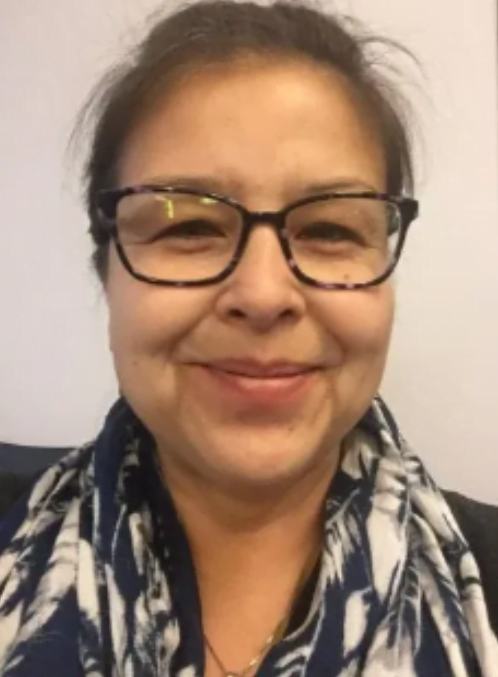
Ramona Nicholas is the Director of the Mi’kmaq Wolastoqey Centre at UNB, and is a Research Associate in the Department of Anthropology. She has completed a graduate degree in anthropological archaeology, and has published and presented her research on archaeology, heritage, and the lives of Wabanaki Ancestors. In addition to being a Wolastoqiyik scholar, she is a traditional person and pipe carrier, and she leads ceremonial activities both within Wabanaki communities and with Wabanaki people, and for non-Indigenous people seeking reconciliation and knowledge. She is deeply connected to systems of support, healing, and trauma response in her community, and is committed to bringing the people of her community, including children and youth, into a relationship of understanding and respect with the Ancestors through teaching and ceremony.
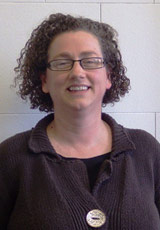
Sue Blair is currently a Professor of Anthropology at UNB where she studies ancient Wabanaki material culture and lifeways, and examines the practices of archaeology through the lens of reconciliation at the interface between Western epistemologies and Indigenous rights and worldviews. She has worked extensively in collaboration with Wabanaki communities and researchers, and has published and presented these insights in both scholarly contexts and in community-accessible formats. Her insights into archaeological practice were strongly shaped by her role as the archaeological director for the Jemseg Crossing Archaeology Project.

Filed Under: News

Search This Site

View All Events

JGLWA On X (formerly Twitter)

Jemseg Grand Lake Watershed Association Follow

Working together to achieve our goal: a healthy watershed ecosystem for all.

JemsegA
jemsega Jemseg Grand Lake Watershed Association @jemsega ·
9 Jun

Jemseg Grand Lake Watershed Association - June 9 2026 Meeting Reminder and Webinar Announcement - https://mailchi.mp/37bd29fac75c/jemseg-grand-lake-watershed-association-may-2023-newsletter-17448507

jemsega Jemseg Grand Lake Watershed Association @jemsega ·
2 Jun

Jemseg Grand Lake Watershed Association - June 9 2026 Meeting Reminder and Webinar Announcement - https://mailchi.mp/c356d9f8991b/jemseg-grand-lake-watershed-association-may-2023-newsletter-17448324

jemsega Jemseg Grand Lake Watershed Association @jemsega ·
4 May

Jemseg Grand Lake Watershed Association - May 4 2026 Meeting Reminder - https://mailchi.mp/04e7c7b6d07c/jemseg-grand-lake-watershed-association-may-2023-newsletter-17447786

JGLWA on Facebook

Jemseg Grand Lake Watershed Association

3 days ago

Jemseg Grand Lake Watershed Association
Let’s meet a new fish each Friday! This fish was included in the Department of Natural Resources and Energy Development August 2022 Report for at least one of our lakes.The Blueback Herring (Alosa aestivalis) is often confused with the Alewife due to their similar appearances. The Blueback Herring has smaller eyes, a lesser body depth, and a dark interior peritoneal lining.It is recorded as living in Grand Lake, and doesn’t live much further inland. They spawn in fresh water, then return to the sea.#fish #newbrunswick #nature #conservation ... See MoreSee Less
View on Facebook
· Share

Share on Facebook Share on Twitter Share on Linked In Share by Email

Jemseg Grand Lake Watershed Association

6 days ago

Jemseg Grand Lake Watershed Association
Join us online Tuesday June 16 at 7 PM to learn the history and lasting impact of a key archaeological project that took place right here, in Jemseg.Presented by our guests, Ramona Nicholas and Sue Blair.Please follow this link to register for the webinar us02web.zoom.us/webinar/register/WN_RCn8n1-jS5a_QdRYc8OmyQ#/registration ... The Jemseg Crossing Archaeology Project: 30 years laterAs a part of the assessment for a new route for the TransCanada Highway between Fredericton and Moncton, a major archaeological site was identified on the banks of the Jemseg River. The decision was taken to excavate the archaeological material that would otherwise be destroyed by the construction of the highway, and in August of 1996, what would become the largest excavation in eastern Canada began. As it was also the first major excavation taking place under the then relatively new environmental assessment legislation, the project team wanted to establish a strong precedent for how such projects would unfold, emphasizing principles and practices such as respectful, open communication and transparency with the public and leadership of Indigenous nations, involvement of Wolastoqiyik in all parts of the project, and the embedding of training and capacity building for Indigenous team members. At the time, those of us on the project saw ourselves as change-makers, seeking reconciliation through archaeology. In this presentation we reflect on the changes we made, and the challenges that remain ahead of us.BIOGRAPHIES:Both Sue Blair and Ramona Nicholas established the early stages of their careers in archaeology through the Jemseg Crossing Archaeology Project. Ramona Nicholas is the Director of the Mi’kmaq Wolastoqey Centre at UNB, and is a Research Associate in the Department of Anthropology. She has completed a graduate degree in anthropological archaeology, and has published and presented her research on archaeology, heritage, and the lives of Wabanaki Ancestors. In addition to being a Wolastoqiyik scholar, she is a traditional person and pipe carrier, and she leads ceremonial activities both within Wabanaki communities and with Wabanaki people, and for non-Indigenous people seeking reconciliation and knowledge. She is deeply connected to systems of support, healing, and trauma response in her community, and is committed to bringing the people of her community, including children and youth, into a relationship of understanding and respect with the Ancestors through teaching and ceremony.Sue Blair is currently a Professor of Anthropology at UNB where she studies ancient Wabanaki material culture and lifeways, and examines the practices of archaeology through the lens of reconciliation at the interface between Western epistemologies and Indigenous rights and worldviews. She has worked extensively in collaboration with Wabanaki communities and researchers, and has published and presented these insights in both scholarly contexts and in community-accessible formats. Her insights into archaeological practice were strongly shaped by her role as the archaeological director for the Jemseg Crossing Archaeology Project. ... See MoreSee Less
View on Facebook
· Share

Share on Facebook Share on Twitter Share on Linked In Share by Email

Jemseg Grand Lake Watershed Association

1 week ago

Jemseg Grand Lake Watershed Association
Let’s meet a new fish each Friday! This fish was included in the Department of Natural Resources and Energy Development August 2022 Report for at least one of our lakes.The Blacknose Dace (Rhinichthys atratulus) is not just black on the nose; the whole lateral line is dark. This dark line turns orange on male Dace during breeding season.Like many aquatic animals, Blacknose Dace eat pretty much anything they can get in their mouth. Unfortunately for this small fish, the reverse is also true. It is common prey for many animals.#fish #newbrunswick #nature #conservation ... See MoreSee Less
View on Facebook
· Share

Share on Facebook Share on Twitter Share on Linked In Share by Email

Contact Us

Jemseg Grand Lake Watershed Association
27 Pine Grove Lane
Jemseg, NB E4C 4L7

Search Our Site

Copyright © 2026 Jemseg Grand Lake Watershed Association